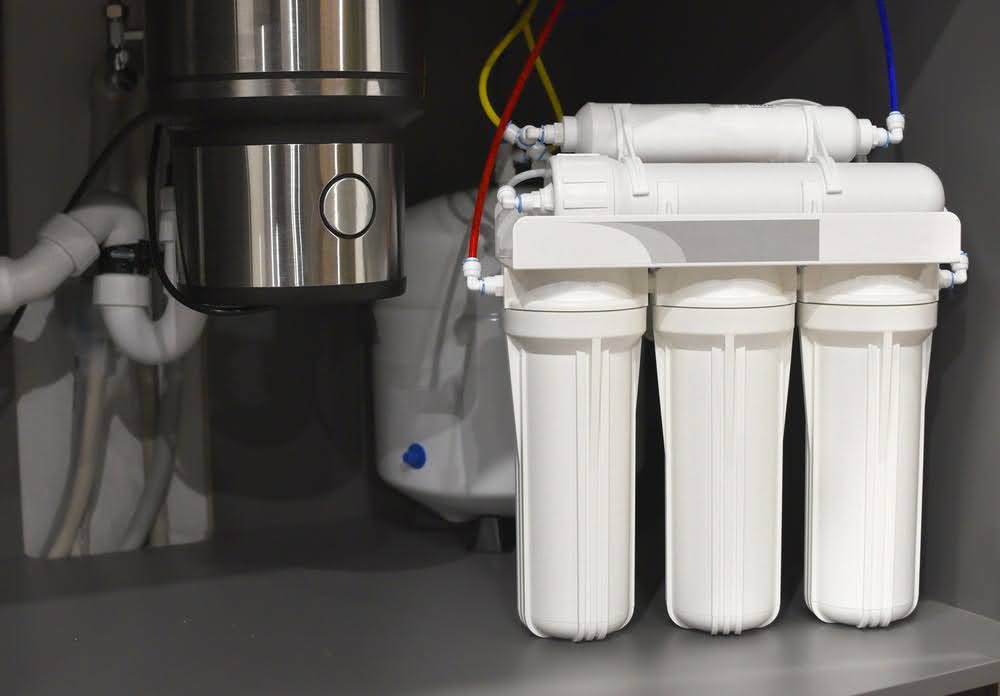
A reverse osmosis (RO) system is one of the most effective ways to improve the quality of your drinking water. It removes a wide range of contaminants, improves taste, and provides clean water directly from your tap. However, even the best reverse osmosis system depends on regular filter replacements to continue performing as intended.
If you’ve been wondering how often to change reverse osmosis filters, the answer depends on several factors, including your water quality, household water usage, and the type of filters installed. While many filters last around a year, every system has its own maintenance schedule.
Why Regular RO Filter Changes Matter
Every filter inside a reverse osmosis system has a specific job. Sediment filters capture dirt and rust, carbon filters remove chlorine and chemicals that affect taste and odor, and the reverse osmosis membrane removes dissolved contaminants that standard filters cannot.
As these filters collect impurities, they gradually become less effective. Delaying replacement can reduce water quality, decrease water pressure, and place unnecessary strain on the entire system. Replacing filters on time helps your system operate efficiently while protecting the more expensive RO membrane from premature wear.
How Often Should You Change Reverse Osmosis Filters?
Most reverse osmosis systems follow a similar maintenance schedule, but the exact timing depends on your household’s water usage, incoming water quality, and the manufacturer’s recommendations. Replacing each filter at the appropriate interval helps maintain water quality, protects the RO membrane, and keeps your system operating efficiently.
A typical reverse osmosis filter replacement schedule looks like this:
Sediment Filter: Every 6–12 months.
Carbon Filter: Every 6–12 months.
Reverse Osmosis Membrane: Every 2–3 years.
Post-Carbon Filter: Every 12 months.
These replacement intervals are general guidelines rather than strict rules. Homes with hard water, higher daily water consumption, or elevated sediment levels may require more frequent filter changes. Regular inspections and routine maintenance can help identify when your system needs attention and ensure it continues producing clean, great-tasting drinking water.
What Affects Your Filter Replacement Schedule?
Not every reverse osmosis system operates under the same conditions. Several factors influence when to replace RO filters, including:
Water Quality: Hard water and higher levels of sediment can clog filters more quickly.
Household Size: Larger families typically use more water, causing filters to wear faster.
Water Consumption: Homes that rely heavily on filtered water for drinking and cooking may require more frequent maintenance.
Filter Quality: Higher-quality replacement filters often last longer while maintaining consistent performance.
System Maintenance: Regular inspections help identify worn filters before they affect water quality.
Keeping these factors in mind helps ensure your system continues producing clean, great-tasting water year-round.
Signs Your Reverse Osmosis Filters Need Replacing
Even if you haven’t reached the recommended replacement interval, your system may show signs that maintenance is needed sooner. Recognizing these warning signs early can help you maintain water quality, avoid unnecessary strain on your system, and prevent more expensive repairs. Watch for these common indicators:
Reduced water pressure from the RO faucet.
Water that tastes or smells different than usual.
Cloudy or discolored drinking water.
The system produces less water than normal.
Unusual noises during operation.
It’s been more than a year since the last filter replacement.
If you notice any of these warning signs, scheduling a reverse osmosis filter change can help restore water quality and keep your system operating efficiently before minor issues become more costly repairs.
What Happens If You Don’t Replace RO Filters?
Ignoring routine maintenance doesn’t just affect water quality. As filters become clogged, your reverse osmosis system has to work harder to push water through each stage of filtration. Over time, this added strain can reduce performance, shorten the lifespan of important components, and increase maintenance costs.
Neglected filters can lead to:
Reduced Filtration Performance: Worn filters become less effective at removing contaminants from your drinking water.
Lower Water Pressure: Clogged filters restrict water flow, causing slower production and reduced pressure at the faucet.
Poor Taste and Odor: As filters lose effectiveness, unpleasant tastes and odors may begin to return.
Increased Wear on the RO Membrane: Dirty pre-filters allow more contaminants to reach the membrane, shortening its lifespan.
Higher Repair Costs: Delayed maintenance can lead to expensive repairs or premature system replacement.
Replacing filters on schedule is one of the simplest and most cost-effective ways to protect your reverse osmosis system and maintain consistent water quality. Regular maintenance helps keep your system operating efficiently while reducing the likelihood of expensive repairs or premature component replacement.
Should You Replace RO Filters Yourself?
Some homeowners choose to replace reverse osmosis filters themselves, while others prefer professional service. Although replacing filters may seem straightforward, every system has different filter sizes, housings, and maintenance requirements.
A professional technician can:
Install the correct replacement filters.
Inspect the entire system for wear or leaks.
Confirm the system is operating properly.
Identify potential issues before they become costly repairs.
Professional service also helps ensure your reverse osmosis system continues delivering safe, high-quality drinking water without interruption. If your reverse osmosis unit is older, requires frequent repairs, or no longer produces the water quality you expect, it may be time to consider a reverse osmosis system installation instead of continuing to replace aging components.
Keep Your Reverse Osmosis System Performing Its Best
Changing your filters on schedule is one of the easiest ways to protect your reverse osmosis system and maintain clean, great-tasting water. While most sediment and carbon filters should be replaced every 6 to 12 months, your ideal maintenance schedule depends on your home’s water quality and daily water usage.
If you’re unsure whether your filters are due for replacement or your system isn’t performing as expected, Serv-All Water Conditioning is here to help. Our experienced team provides professional reverse osmosis filter replacement, maintenance, and installation services throughout Las Vegas and the surrounding communities. Contact us today to schedule your service and keep your drinking water at its best.